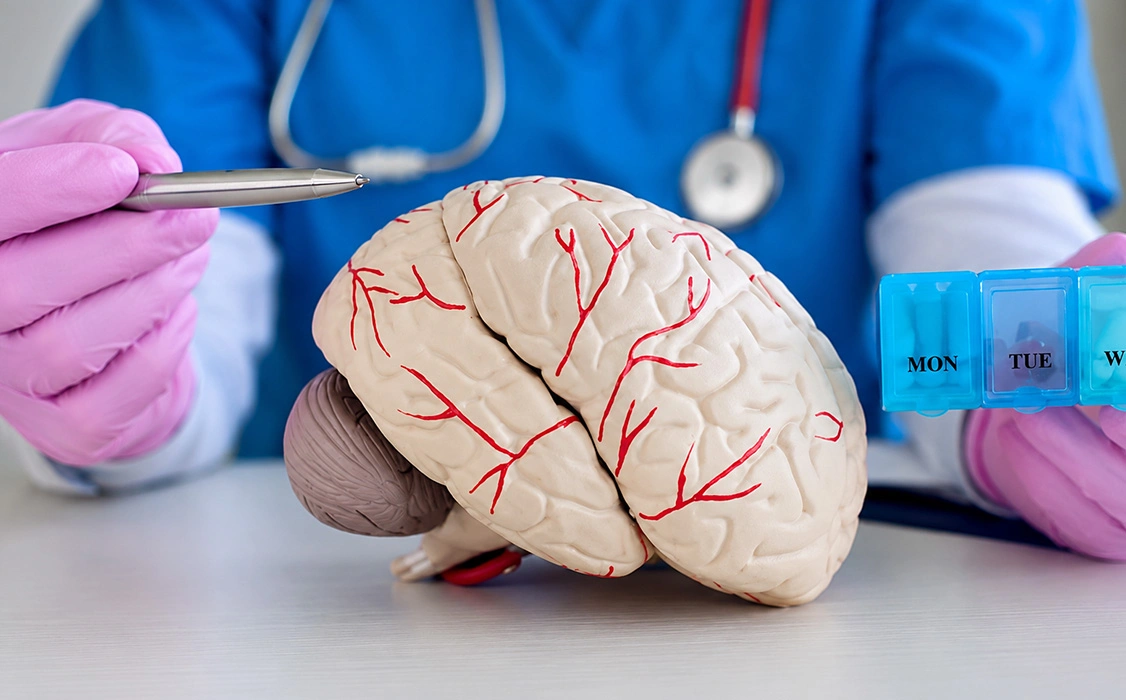
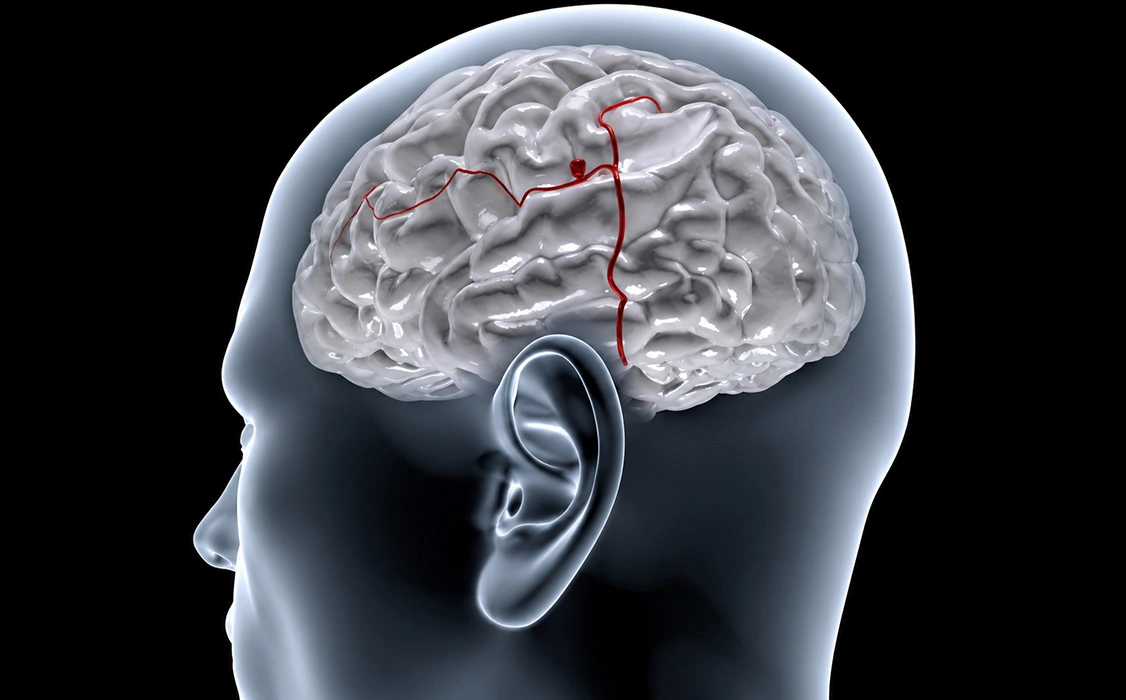
A brain aneurysm is a weak spot in the walls of the blood vessels within the brain that appears as a bulge in the blood vessels. Certain aneurysms stay unchanged for many years without producing any symptoms; however, there are those that increase in size with time, hence posing a threat of bursting. Once an aneurysm ruptures, hemorrhage occurs. As not all aneurysms are alike, evaluation should be carried out so that the best course of treatment may be adopted.
It is possible to experience a severe headache that comes abruptly without any clear explanation.
One could have blurred or double vision due to pressure placed upon nearby nerves.
Pain around or behind the eyes may be experienced in certain cases.
This could occur in instances where the nearby nerves are being pressured.
Difficulties speaking could arise if specific parts of the brain have been affected.
Inability to keep one’s balance or a dizzy feeling may be experienced by certain patients.
Staying with high blood pressure for a long time can weaken the walls of blood vessels.
Smoking makes the chances of aneurysm formation and later rupture much higher.
If aneurysms run in your family, your personal risk can rise.
With advancing age, this condition shows up more often.
Some vascular disorders may weaken the artery walls over time.
Certain impacts or head traumas may help cause blood vessel damage.
Some brain aneurysms get noticed only after symptoms start, while others show up when people are getting checked for something else. Figuring out the aneurysm early really helps decide the best treatment approach, and it also lowers the chance of severe complications.
Dr. Rohan Sinha takes time to go over symptoms, past medical history, and the neurological exam findings. Then, tests like CT scans or MRI scans, plus certain vascular imaging, might be suggested, so the aneurysm can be located and the size, position, and danger level can be understood before any treatment is planned.
A brain aneurysm demands an accurate evaluation and a well-planned treatment plan. Dr. Rohan Sinha provides comprehensive treatment for patients with brain aneurysms. He focuses on precise diagnostics, assessment of risk, and more advanced treatment options. Each case is evaluated individually to determine the safest and most effective option. His focus on patient care and expertise with complex neurosurgical issues aid patients in making informed choices and receiving treatment that is tailored to their particular requirements.
Real feedback from patients and families who trusted our care.
Find answers to common questions about brain aneurysms, their symptoms, diagnosis, treatment options, and when specialist treatment may be needed.
A brain aneurysm is a weakened area in a brain blood vessel that bulges outward and may increase the risk of bleeding.
Symptoms may include severe headache, vision changes, eye pain, facial numbness, balance problems, or neurological symptoms depending on its location.
Yes. Treatment options depend on the aneurysm's size, location, symptoms, and overall risk of rupture.
Yes. A ruptured aneurysm can cause bleeding in the brain and requires immediate medical attention.
Brain aneurysms are commonly diagnosed using CT scans, MRI scans, and specialized imaging tests that evaluate brain blood vessels.
Schedule your consultation with Dr. Rohan Sinha and locate our clinic easily through the map below.