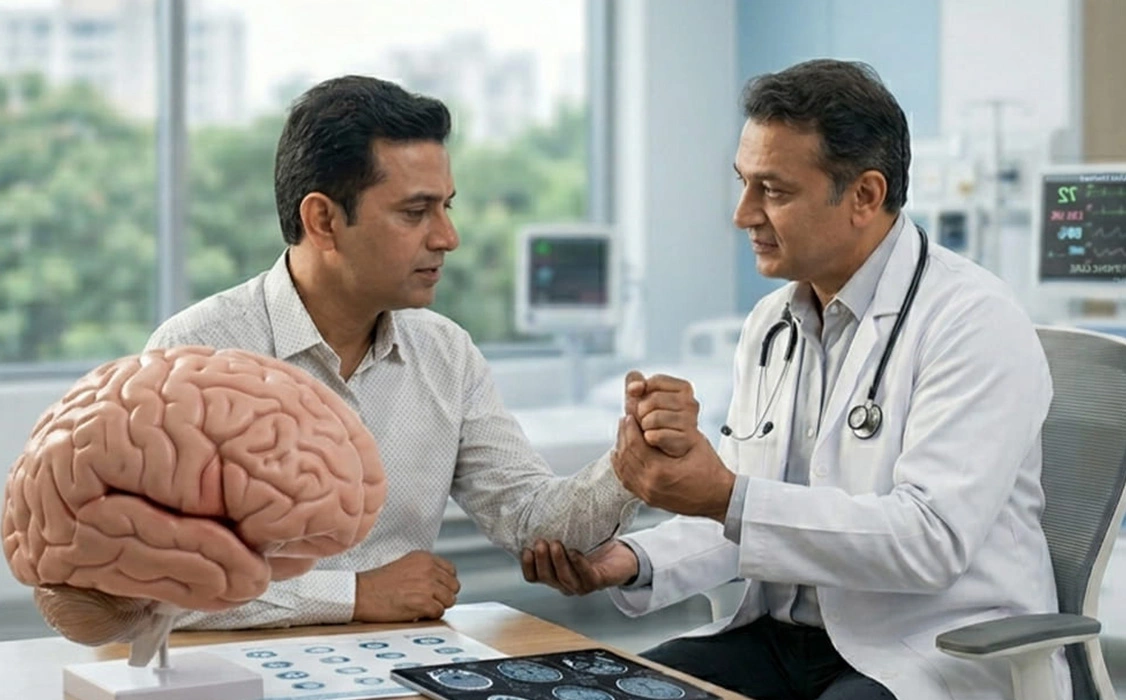
A stroke occurs when the blood supply to a part of the brain is interrupted or significantly reduced, preventing brain cells from receiving the oxygen and nutrients they need. As a result, brain cells can begin to die within minutes. Symptoms vary depending on the area of the brain affected and may include weakness, difficulty speaking, loss of balance, numbness, or changes in vision. Because a stroke is a medical emergency, immediate diagnosis and treatment are essential to reduce brain damage, improve recovery, and lower the risk of long-term complications.
One side of the face may suddenly droop or appear uneven.
Sudden weakness or numbness may affect the arm, leg, or one side of the body.
Speech may become slurred or difficult to understand or express.
Walking, standing, or maintaining coordination may suddenly become difficult.
Sudden blurred, reduced, or double vision may occur in one or both eyes.
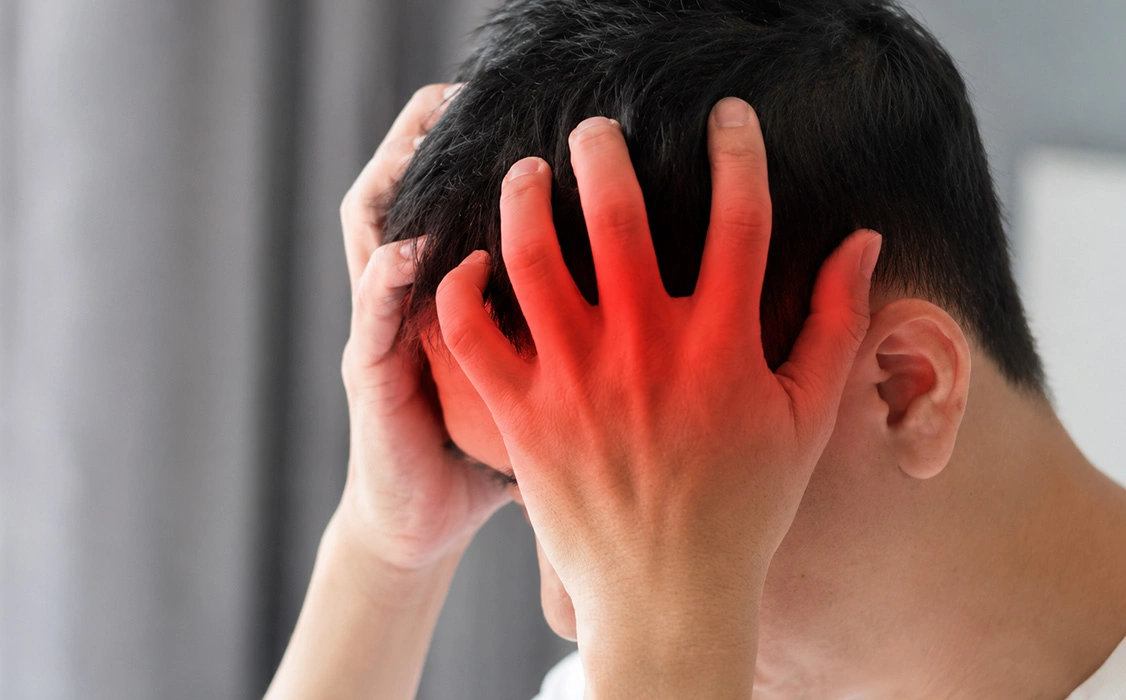
A sudden, severe headache may occur without an obvious cause.
High blood pressure is one of the leading risk factors for stroke because it can damage blood vessels over time.
Poorly controlled blood sugar levels can damage blood vessels over time and increase the risk of stroke.
Smoking significantly increases the risk of stroke by damaging blood vessels and reducing blood flow.
High cholesterol can lead to plaque buildup inside blood vessels, reducing blood flow to the brain.
Certain heart conditions can increase the risk of blood clots that may travel to the brain and cause a stroke.
A family history of stroke may increase an individual's likelihood of developing the condition.
When stroke symptoms appear, every minute matters. Early evaluation helps identify the type of stroke and allows treatment to begin as quickly as possible. Prompt diagnosis can reduce brain damage, improve recovery outcomes, and lower the risk of long-term complications.
Dr. Rohan Sinha carefully evaluates the patient's symptoms, neurological function, and medical history. If required, brain imaging studies such as CT scans or MRI scans, along with other diagnostic tests, may be performed to determine the cause and extent of the stroke. This information helps develop the most appropriate treatment and recovery plan.
Stroke treatment requires rapid decision-making, accurate diagnosis, and experienced neurological care. Dr. Rohan Sinha provides comprehensive stroke care with a strong focus on early evaluation, timely treatment planning, and continuous support throughout recovery. His patient-centered approach ensures that every treatment plan is tailored to the individual's condition, symptoms, and rehabilitation needs. The goal is not only to manage the immediate effects of stroke but also to help patients regain strength, independence, and confidence while achieving the best possible recovery outcomes.
Real feedback from patients and families who trusted our care.
Find answers to common questions about stroke, its warning signs, causes, treatment, recovery, and when emergency medical care is required.
Common warning signs include facial drooping, arm weakness, speech difficulty, sudden vision problems, loss of balance, and a sudden severe headache. If any of these symptoms occur, seek emergency medical care immediately.
Yes. Stroke is a medical emergency that requires immediate treatment. Prompt medical care can reduce brain damage, improve recovery, and lower the risk of long-term complications.
Recovery depends on the severity of the stroke, the area of the brain affected, and how quickly treatment begins. Many patients experience significant improvement with timely treatment and rehabilitation.
Controlling blood pressure, managing diabetes, avoiding smoking, maintaining healthy cholesterol levels, exercising regularly, and following a healthy lifestyle can help reduce the risk of stroke.
Seek emergency medical attention immediately if you notice sudden facial drooping, arm weakness, speech difficulty, loss of vision, severe headache, or problems with balance or coordination. Early treatment is critical for the best possible outcome.
Schedule your consultation with Dr. Rohan Sinha and locate our clinic easily through the map below.