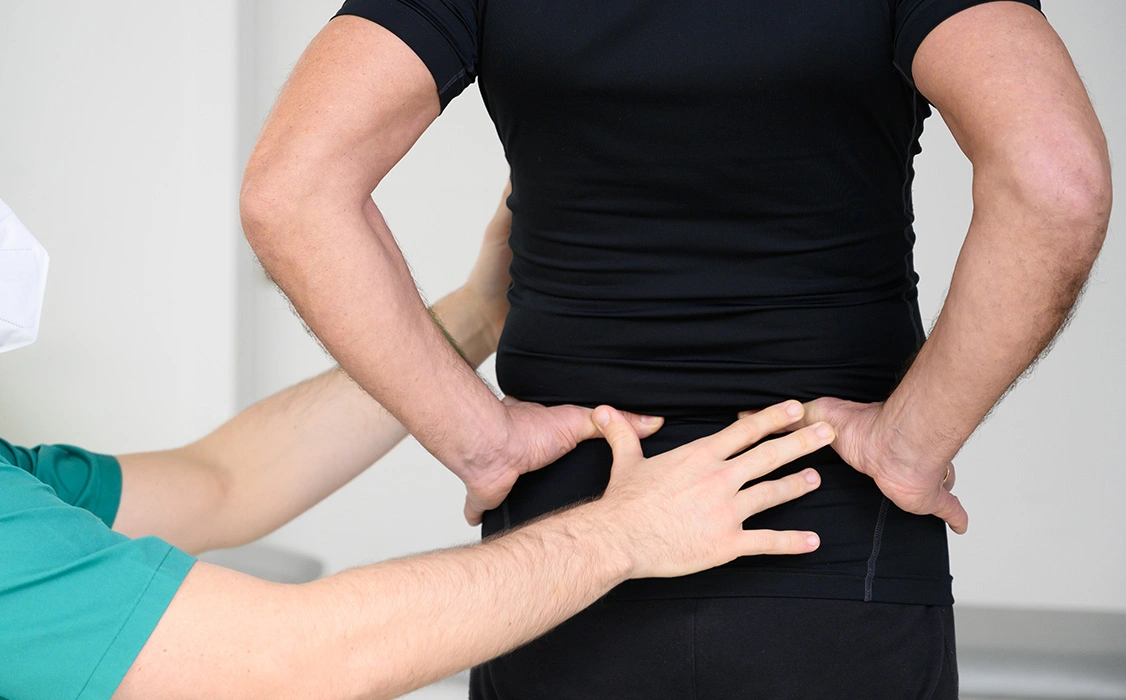
Sciatica differs from other forms of back pain by virtue of having a particular route to follow. Sciatica can be characterized by pains that usually originate from the lower back region or the buttocks and then radiate down to the legs through the sciatic nerves. Some people complain of pains that travel down to their legs, either as a stabbing sensation or as burning pains. In other instances, there may also be associated tingling and numbing sensations experienced along the route. Sciatica may take months to develop, but in some instances, it can occur suddenly due to a strain or injury.
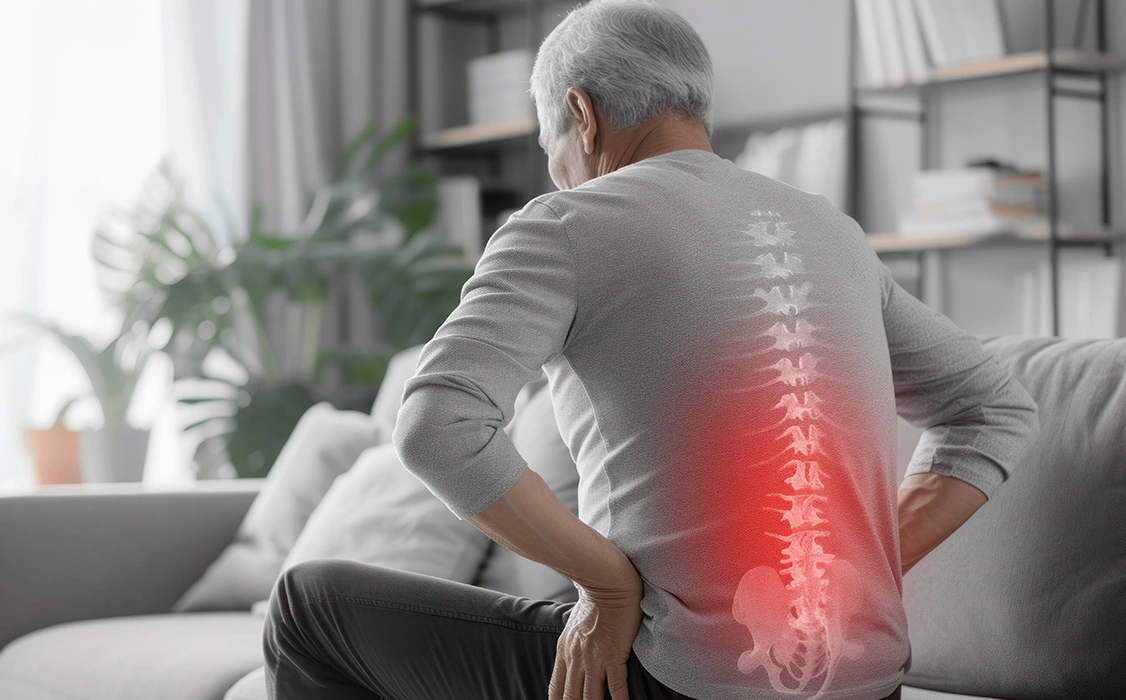
Pain may radiate from the lower back, through the buttocks, and down into the leg.
Patients usually report a burning sensation or an electrical shock sensation running down their leg.
Numbness is often experienced by the patient in the thigh, calf, and foot.
A pins-and-needles sensation is common.
Patients will experience worsened symptoms when sitting for a long time.
Weakness in the leg is common when walking.
Walking can become difficult because of pain.
Most commonly, sciatica only affects one side of the body.
A bulging disc that puts pressure on the sciatic nerve is a common cause.
Compression in the vicinity of the spine’s nerves can be one possible cause.
Age-related degeneration can contribute to nerve compression.
The development of extra bone can lead to nerve compression.
An injury to the area near the nerve can be another possible cause.
Long-term sitting can exacerbate lower back pain and nerve compression.
Having a bad posture increases stress on the lower spine.
Putting pressure on the sciatic nerve can cause pain and numbness.
Not everyone has sciatica for the same reason. Some folks notice symptoms after a slipped disc, but others might be coping with spinal narrowing or some other situation impacting the lower spine. Either way, figuring out what is driving that nerve irritation is kind of the key step for treatment planning.
During the consultation, the doctor. Rohan Sinha looks closely at the point where the pain started and where it spreads, and if there is numbness, tingling, or weakness surfacing as well. If the explanation isn't clear, MRI scans or other tests may be recommended to determine the location of nerve compression. Then, the doctor will determine which course of action will be most beneficial.
Sciatica may make your daily exercises uncomfortable, particularly when it begins to ache in the leg or is followed by the sensation of numbness, tingling, or weakness. Doctor. Rohan Sinha is focused on determining the reason for nerve compression and suggests treatment options that not only alleviate symptoms but also stop the same thing from happening in the future. His attention to patients' care and experience in the treatment of complex spine problems make him the ideal specialist for treating sciatica in Noida.
Real feedback from patients and families who trusted our care.
Find answers to common questions about sciatica, its causes, symptoms, treatment options, and when specialist care may be required.
Some mild cases may improve with rest and conservative care. However, when pain continues to return, becomes more intense, or starts affecting daily activities, professional evaluation is important to identify the cause and prevent symptoms from worsening over time.
The sciatic nerve runs from the lower back through the buttock and into the leg. When the nerve becomes irritated or compressed, pain can travel along its pathway, causing symptoms that extend beyond the lower back.
Yes. Many patients notice increased discomfort after sitting for extended periods. Sitting can place additional pressure on the lower spine and sciatic nerve, which may worsen pain, tingling, or numbness in the leg.
Most patients improve with non-surgical treatment options such as medication, physiotherapy, and lifestyle modifications. Surgery is generally considered only when symptoms remain severe, continue to worsen, or significantly affect quality of life.
If the pain is persistent, keeps returning, affects walking or daily activities, or is accompanied by numbness, tingling, or weakness in the leg, it is advisable to seek specialist evaluation without delaying treatment.
Schedule your consultation with Dr. Rohan Sinha and locate our clinic easily through the map below.