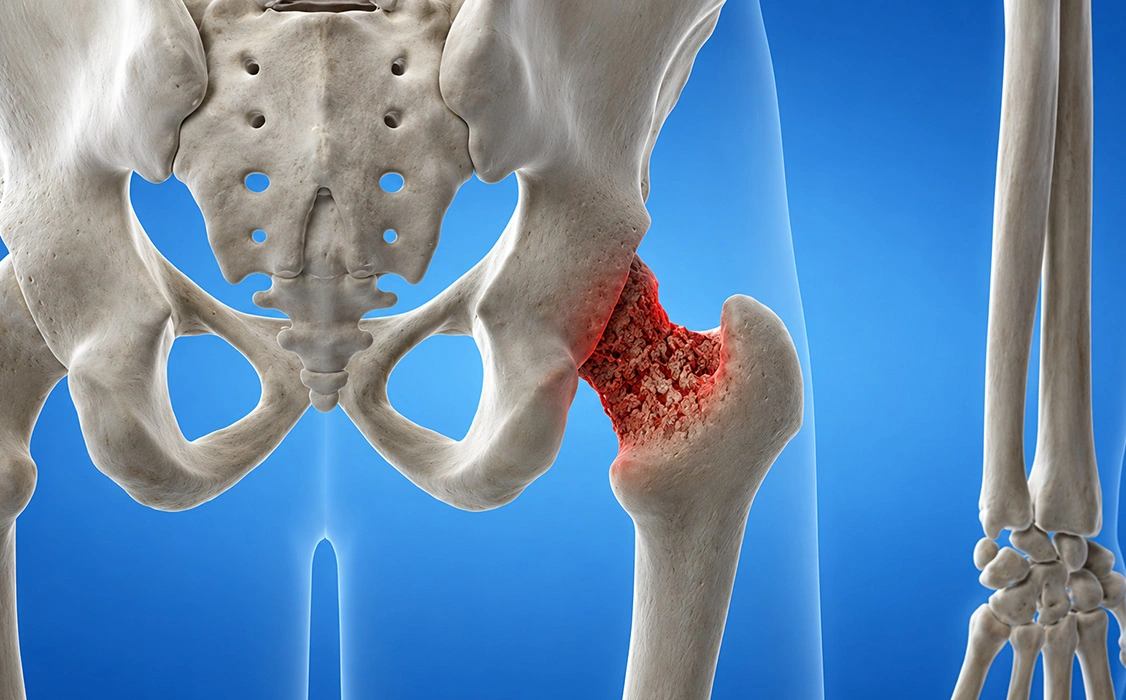
Getting diagnosed with osteoporosis can be kinda unsettling, especially if you’ve already had a break in the past, or someone told you your bones are getting weaker, little by little. Osteoporosis doesn’t just “happen” overnight; it gradually reduces bone strength, so fractures start becoming more likely even after a small trip or a light impact. A lot of people keep going with their usual routine, maybe without noticing that the skeleton is turning brittle. Still, with prompt care and ongoing checkups, it’s often possible to slow additional loss of bone, support overall bone strength, and reduce the odds of fractures that may limit movement and independence.

Bones can be vulnerable to easy breakages even during minor falls and accidents.
A gradual reduction in height is possible due to modifications in the structure of the vertebrae.
Vertebrae bones that have weakened can cause persistent back pain.
Weakened bones can result in a stooped posture.
Mobility can be affected by fractures and weaker bones.
There can be weaknesses in bone structures.
Tasks that once seemed easy become hard to perform.
Weakness of bones makes falling dangerous.
The density of the bone reduces naturally with age.
Any changes in the level of hormones might weaken the bones.
Low intake of calcium may result in weak bones.
Inadequate vitamin D may be associated with poor bone structure.
There is increased susceptibility to osteoporosis due to genetics.
Being inactive may cause weak bones.
Osteoporosis increases with smoking habits.
Medicines may increase osteoporosis risks.
Osteoporosis often goes unnoticed until a fracture occurs, which is why many patients are diagnosed later than expected. If you have a history of fractures, low bone density, or other risk factors, an assessment can help determine the current state of your bone health and future fracture risk.
Dr. Rohan Sinha evaluates individual risk factors and recommends appropriate investigations when needed. Bone density testing plays an important role in understanding bone strength and identifying osteoporosis before serious complications develop, allowing treatment to begin at the right time.
A fracture due to osteoporosis could be a major threat to mobility, as well as confidence and the ability to live independently. Many patients find that treatment isn't only about increasing the density of bones, but also about being active as well as avoiding fractures and ensuring a high quality of life. Dr. Rohan Sinha provides personalized osteoporosis treatment based on the patient's age and bone health, risk of fracture, and lifestyle. His method focuses on preventing the development of complications prior to their occurrence and helping patients safeguard their bone health for the long run through prompt evaluation and treatment.
Real feedback from patients and families who trusted our care.
Find answers to common questions about osteoporosis, its diagnosis, treatment options, bone health, and fracture prevention.
Yes. Early diagnosis allows treatment to begin before fractures develop, helping strengthen bones and reduce the risk of future complications.
People with low bone density, previous fractures, advancing age, family history of osteoporosis, or other risk factors should consider an evaluation.
No. Many people do not experience noticeable symptoms until a fracture occurs, which is why screening and timely assessment are important.
Yes. Osteoporosis can weaken spinal bones and increase the risk of compression fractures, which may lead to back pain, height loss, or posture changes.
Yes. Weakened bones are more likely to break after injuries or falls that would not normally cause fractures in healthy bones.
Schedule your consultation with Dr. Rohan Sinha and locate our clinic easily through the map below.