Epilepsy is a neurological disorder characterized by recurrent seizures caused by abnormal electrical activity in the brain. Seizures can vary widely from person to person. Some individuals may experience brief staring episodes, while others may have sudden jerking movements, loss of awareness, or full-body convulsions. The frequency and severity of seizures also differ between patients. When seizures continue despite appropriate medication or begin to interfere with daily activities such as work, education, driving, or personal safety, a comprehensive evaluation is essential. In selected cases, advanced treatment options, including epilepsy surgery, may be considered to help achieve better seizure control and improve quality of life.
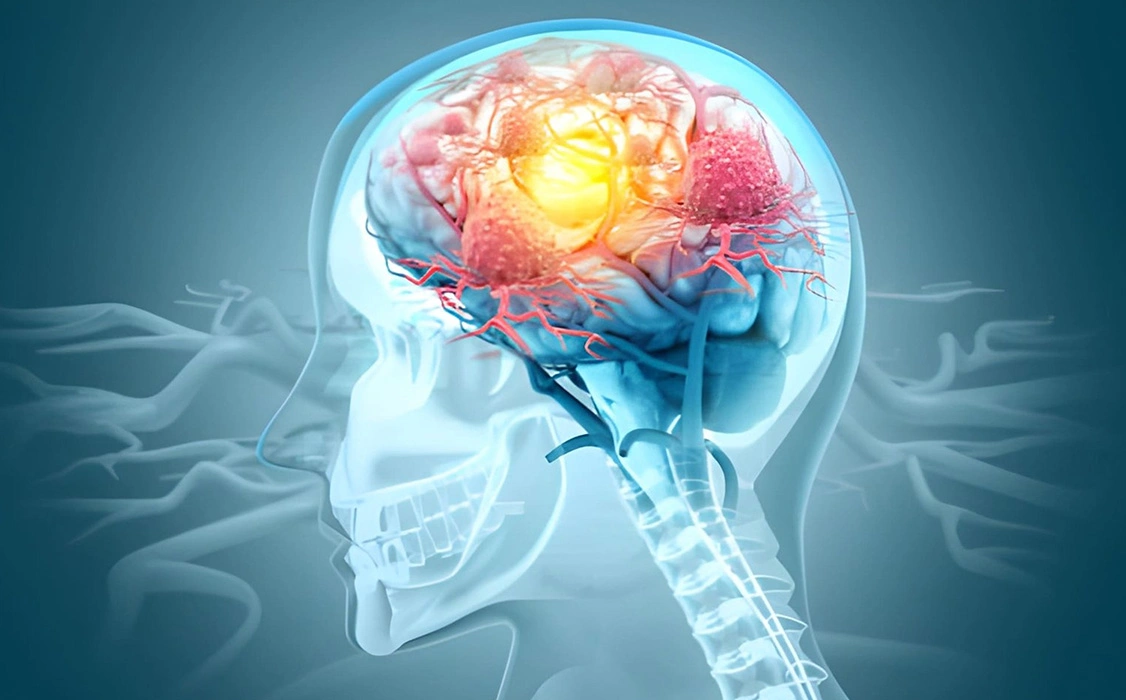
Seizure episodes occur repeatedly over time and vary in frequency from person to person.
A person may briefly lose awareness of their surroundings during a seizure.
Sudden jerking or twitching movements may affect one part or the entire body.
Brief episodes of blank staring may occur without any response to surroundings.
Many people experience confusion, fatigue, or disorientation after a seizure episode.
Some seizures can cause a sudden loss of consciousness or complete loss of awareness.
Previous head trauma can damage brain tissue and increase the risk of developing seizures.
Certain brain tumors or lesions may trigger abnormal electrical activity that leads to seizures.
Damage to brain tissue following a stroke can increase the likelihood of developing epilepsy.
Infections affecting the brain, such as meningitis or encephalitis, can increase the risk of seizures.
Brain injury before, during, or shortly after birth may contribute to the development of epilepsy.
Some forms of epilepsy have a hereditary component and may run in families.
Before considering epilepsy surgery, it is essential to determine where seizures originate and why medications are not providing adequate control. A comprehensive evaluation helps identify whether surgery is an appropriate treatment option and ensures the safest and most effective approach for each patient.
Dr. Rohan Sinha carefully reviews the patient's seizure history, previous treatments, neurological condition, and overall brain health. When required, diagnostic investigations such as MRI scans, EEG (electroencephalogram), video EEG monitoring, and other specialized tests may be recommended to identify the source of seizures and assess suitability for epilepsy surgery. This detailed evaluation helps create a personalized treatment plan based on the patient's specific condition.
Uncontrolled seizures can affect every aspect of daily life, including education, work, independence, and personal safety. Dr. Rohan Sinha provides comprehensive evaluation and advanced treatment for patients whose seizures are not adequately controlled with medication. Every patient undergoes a detailed assessment to determine the most appropriate treatment approach. His focus is on reducing seizure frequency, improving quality of life, and helping patients achieve greater independence through advanced neurological care and surgical expertise.
Real feedback from patients and families who trusted our care.
Find answers to common questions about epilepsy, epilepsy surgery, diagnosis, treatment options, and when advanced neurological care may be needed.
Epilepsy is a neurological disorder characterized by recurrent seizures caused by abnormal electrical activity in the brain. Seizures can vary in type, frequency, and severity from person to person.
Epilepsy surgery may be considered when seizures continue despite appropriate anti-seizure medications and significantly affect daily activities, safety, or quality of life.
Yes. Epilepsy surgery is performed only after a comprehensive evaluation and careful planning. Your specialist will discuss the potential benefits, risks, and expected outcomes before recommending surgery.
Some patients achieve long-term seizure freedom after treatment, while others experience a significant reduction in seizure frequency and severity. Outcomes depend on the underlying cause and the treatment approach.
A detailed pre-surgical evaluation may include MRI scans, EEG or video EEG monitoring, neurological examinations, and other specialized tests to identify the source of seizures and determine whether surgery is appropriate.
Schedule your consultation with Dr. Rohan Sinha and locate our clinic easily through the map below.