Spondylolysis and spondylolisthesis are kinds of spine conditions that usually show up in the lower back. With spondylolysis, you have a defect, or sort of a stress fracture, in a portion of a vertebra. Spondylolisthesis is when one of the spinal bones goes forward and sits over another one. For some people, it’s more like occasional discomfort, for others it turns into more steady back pain, stiffness, and sometimes even signs that travel down into the legs. You might notice limits in daily tasks, sports activities, and even general mobility. Doing an early check in the beginning is helpful because it clarifies how serious things are and also guides treatment, based on what the person is feeling and what their everyday life and routines require.
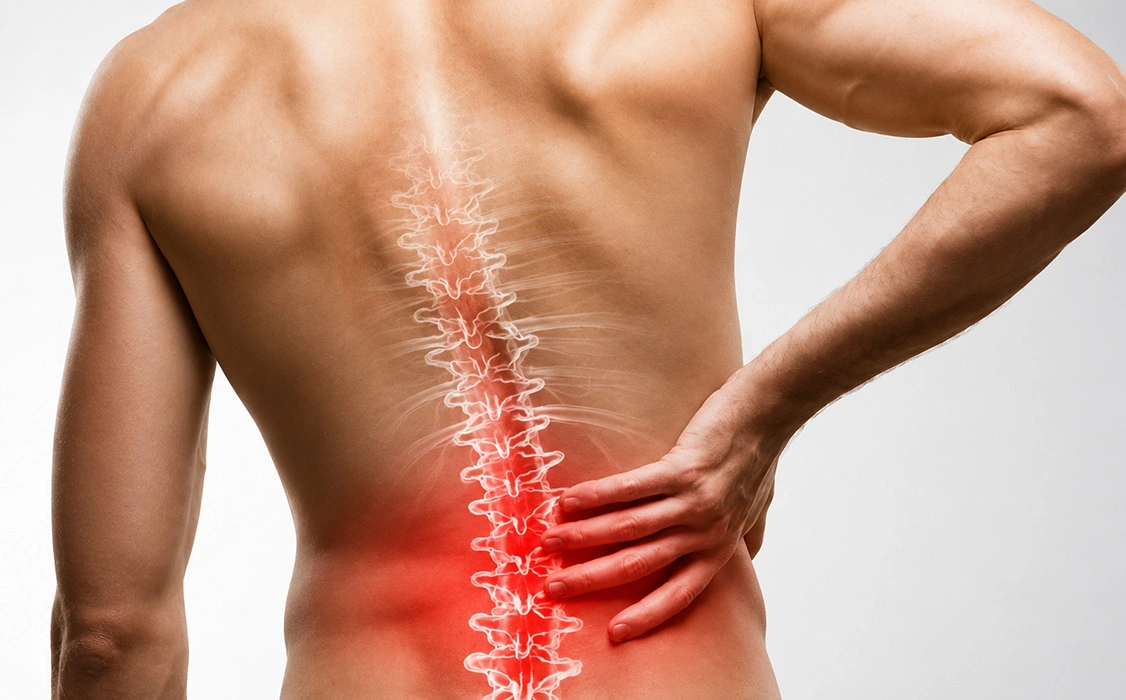
Pain can get worse when you’re up and moving around, or after prolonged standing.
Those muscles in the back of the thighs might feel tight, even if you’re not doing much.
It can spread into one leg or both, like a pull or a dull soreness.
When nerves become stressed, you could feel various sensations. Sometimes, it may feel out of place.
The symptoms can limit mobility and endurance, too.
Bending and general movement may turn uncomfortable, maybe even surprisingly so.
Continue to do the same stretch for a long time, and you'll start placing pressure on the lower back.
Some sports with lots of twisting and bending backward can bump up the chances for irritation and stress.
A few folks are born with spine structures that are a bit more prone to slippage.
As degenerative spinal changes build up over time, they can help contribute to vertebral sliding.
If there was trauma before, it might weaken overall spinal stability, even later.
In certain situations, the family history and genetics may be more important than you imagine.
The low back pain that continues regardless of treatment, rest, or routine care could require closer examination. Because the symptoms could be similar to those of other issues with the spine or back and conditions, finding the precise root of the issue is essential prior to deciding on any treatment.
Doctor. Rohan Sinha reviews how symptoms manifest, examines the limitations in mobility, and explains how this affects your regular everyday activities. If necessary, imaging, such as X scans, CT scans, or MRI scans, could be recommended to assess the spinal alignment and the extent of involvement in the vertebra. This all helps in choosing the appropriate treatment plan, dependent on the issue that the patient is dealing with.
Back pain that comes from spinal instability can mess with pretty much everything: work and exercise, routine steps, and even daily comfort. Dr. Rohan Sinha looks at how serious the condition really is, then he recommends the right treatment depending on what each patient is feeling, the kind of activity level they keep, and the long-term aims they have. The whole approach is about easing pain, restoring spinal function, and helping people move again with a bit more certainty in their bodies. If it’s a mild situation or something more advanced, the treatment plan is always adjusted to the person rather than copied.
Real feedback from patients and families who trusted our care.
Find answers to common questions about spondylolysis and spondylolisthesis, their symptoms, causes, diagnosis, treatment options, and when specialist care may be needed.
Spondylolysis is a defect or stress fracture in a part of the vertebra, most commonly affecting the lower back and causing pain during physical activity.
Spondylolisthesis occurs when one vertebra slips forward over another, which can lead to back pain, stiffness, nerve irritation, and mobility problems.
Common symptoms include lower back pain, leg pain, muscle tightness, numbness, tingling sensations, difficulty walking, and reduced flexibility during movement.
Yes. Many patients improve with medication, physiotherapy, activity modification, and other conservative treatments depending on the severity of symptoms.
Surgery may be considered when pain remains severe, symptoms continue to worsen, or spinal instability significantly affects mobility and daily activities.
Schedule your consultation with Dr. Rohan Sinha and locate our clinic easily through the map below.