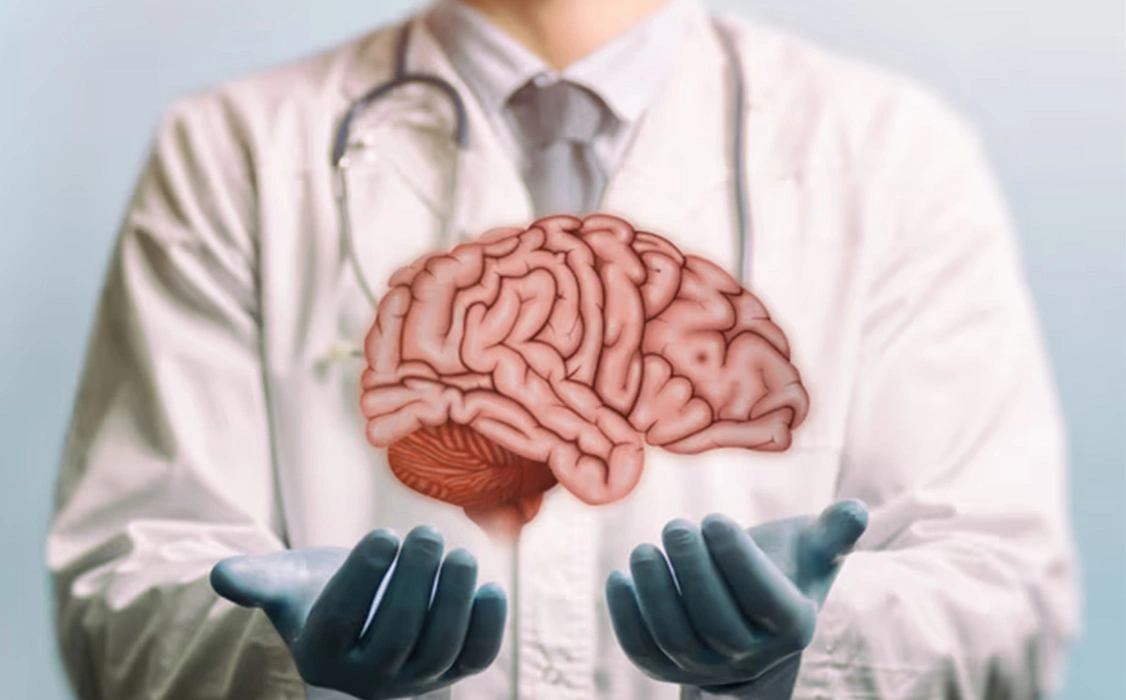
Functional neurosurgery seeks to treat diseases caused by abnormal nerve system activity. Contrary to surgery for the removal of tumors or surgery to repair injuries, which focus on improving the patients' symptoms and restoring functioning. This kind of procedure can aid patients suffering from the disease Parkinson's, essential tremors, dystonias, epilepsy, and other chronic discomforts. When medications cease to work, this procedure could provide them with better control over their symptoms, as well as an improvement in their quality of living. Every patient's case is given a thorough examination to ensure the procedure is tailored to their individual requirements.
Constant shaking of hands or arms, as well as other body parts, could affect eating, writing, or other daily activities.
Seizures that are frequent and persist regardless of medical treatment need an evaluation at a higher level for surgical intervention.
Involuntary muscle movements or atypical postures may hinder mobility, as well as independence and health.
The difficulty of walking and balancing while doing everyday activities may indicate the need for a check-up by a professional.
The persistent pain caused by nerves that don't respond to medications may need more advanced treatments.
Patients who experience persistent discomfort regardless of treatment and start to affect mobility, work, or everyday independence could require assessment.
Not every patient with a nervous system condition requires surgery, I mean, sometimes it’s not even the best route. A more detailed check-up is needed to see if functional neurosurgery is the right fit and, honestly, if it’s likely to ease the symptoms. The whole assessment kind of leans into how the condition really interferes with everyday life, and also how the patient responded to prior treatments or therapies.
Dr. Rohan Sinha reviews the person’s medical background, their current symptoms, the neurological status, and what happened with previous treatment results. Depending on the specific condition, MRI scans, neurological evaluations, and other specialized investigations may be suggested before any care plan is finalized.
Being a patient with a neurologic condition that is advancing regardless of treatment may be physically and emotionally demanding. The doctor. Rohan Sinha provides comprehensive assessment and advanced functional neurosurgical treatment for patients who are seeking other treatment options when medication doesn't provide sufficient results. Each patient is given a thorough evaluation to determine the most appropriate method according to their specific conditions, symptoms, and treatment objectives. The primary focus is on improving function, decreasing symptom burden, and assisting patients in gaining greater independence and self-confidence in their daily activities.
Real feedback from patients and families who trusted our care.
Find answers to common questions about functional neurosurgery, the conditions it treats, available procedures, and when specialist evaluation may be recommended.
Functional neurosurgery involves procedures designed to improve symptoms caused by neurological disorders that affect movement, pain control, or brain function.
It may be used for Parkinson's disease, essential tremor, epilepsy, dystonia, chronic pain conditions, and other selected neurological disorders.
Many functional neurosurgical procedures are performed using advanced techniques designed to minimize disruption to surrounding brain tissue.
Deep Brain Stimulation is a procedure that uses implanted electrodes to help control symptoms of certain movement disorders.
Eligibility is based on symptom severity, response to previous treatments, neurological evaluation, imaging studies, and overall health assessment.
Schedule your consultation with Dr. Rohan Sinha and locate our clinic easily through the map below.