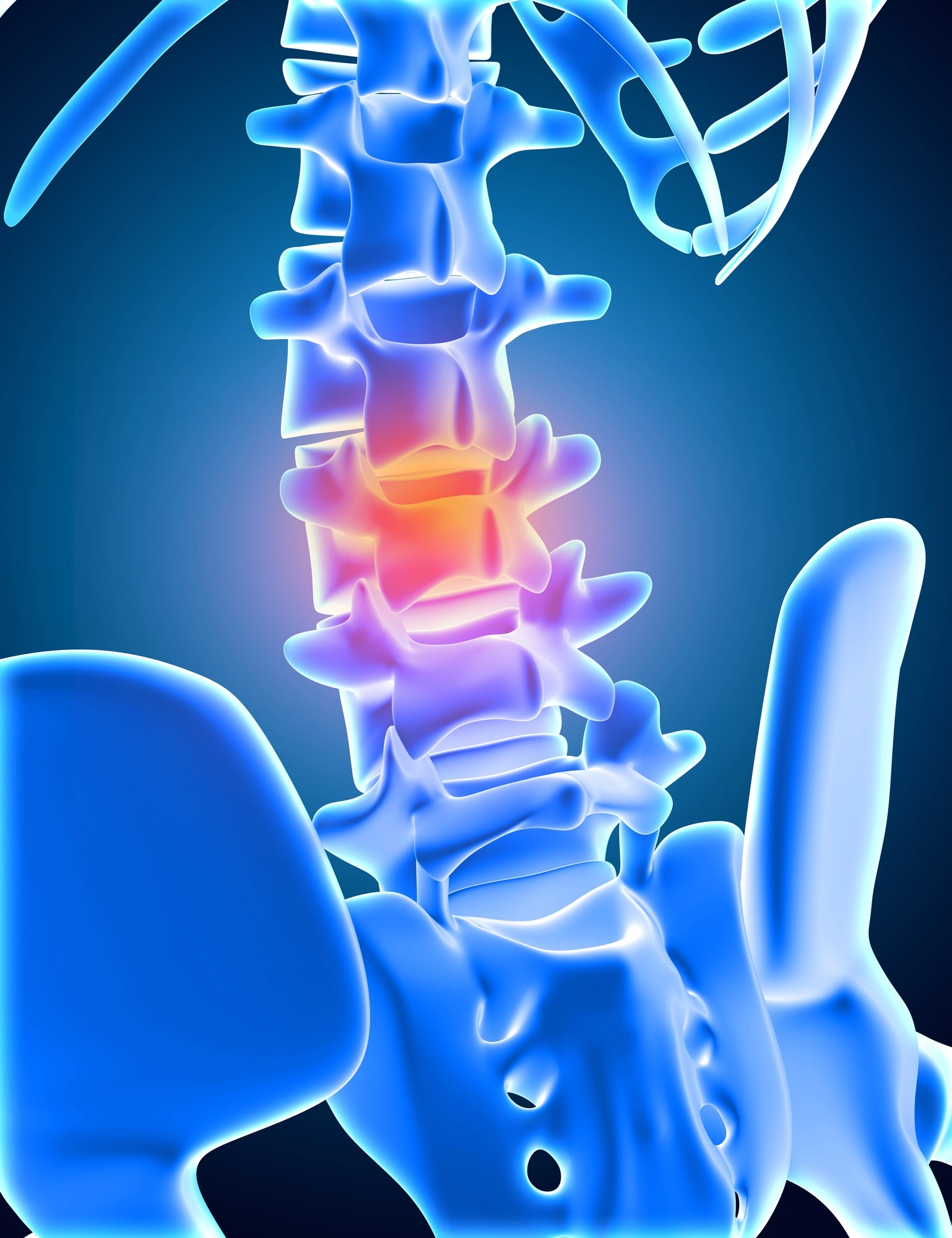
Endoscopic Disc Surgery is a minimally invasive spine procedure used to treat slipped or herniated discs that compress nearby nerves. Through a small incision, an endoscope with a high-definition camera helps the surgeon precisely remove the damaged disc material while preserving healthy tissues.
Compared to traditional open spine surgery, this technique causes less muscle damage, reduces postoperative pain and blood loss, shortens hospital stays, and promotes faster recovery. Dr. Rohan Sinha carefully evaluates each patient to determine whether Endoscopic Disc Surgery is the most suitable treatment option.
Persistent lower back pain that continues for several weeks despite medications, physiotherapy, or adequate rest.
Continuous neck pain caused by a cervical disc problem that affects daily movement and comfort.
Sharp, burning, or shooting pain that radiates from the lower back into the buttock and leg due to nerve compression.
Pain extending from the neck into the shoulder, arm, or hand because of cervical disc herniation.
Loss of sensation in the arms, hands, legs, or feet caused by pressure on spinal nerves.
Pins-and-needles sensations that develop due to irritated or compressed nerves.
Weakness in the arms, hands, legs, or feet that may affect lifting objects, walking, or maintaining balance.
Pain and weakness may make walking, bending, sitting for long periods, climbing stairs, or performing routine activities increasingly difficult.
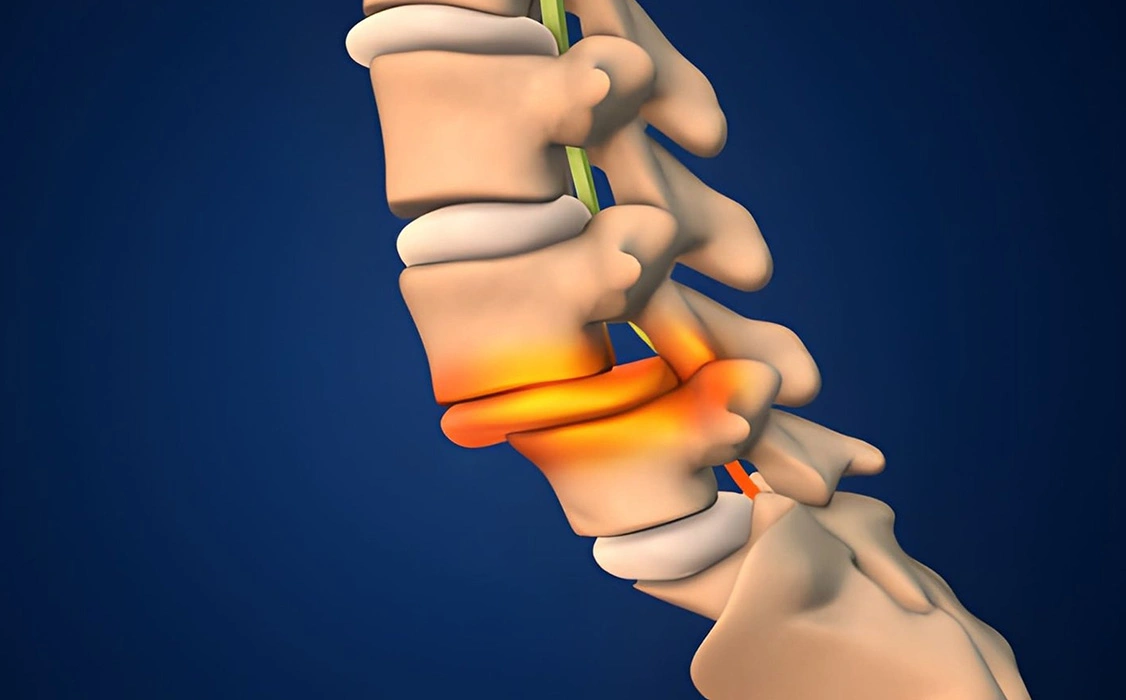
A slipped disc can press on nearby nerves, causing severe back pain, sciatica, numbness, or muscle weakness.
Removal of the herniated disc fragment helps relieve nerve compression and improves pain and mobility.
A damaged disc in the lower spine can cause persistent lower back pain and radiating leg pain that may require surgical treatment.
Disc herniation in the neck may cause neck pain, shoulder pain, arm pain, numbness, and weakness due to nerve compression.
Patients with severe sciatica caused by a lumbar disc herniation may benefit from endoscopic nerve decompression.
The procedure relieves pressure on compressed spinal nerves responsible for pain, numbness, and weakness.
Patients who develop another disc herniation after previous treatment may be suitable candidates for endoscopic spine surgery.
Compression of spinal nerve roots can cause radiating pain, tingling, numbness, and weakness in the legs, which can often be effectively treated through endoscopic disc surgery.
Before recommending Endoscopic Disc Surgery, Dr. Rohan Sinha performs a thorough evaluation to identify the cause of your symptoms. This includes reviewing your medical history, conducting a physical and neurological examination, and recommending imaging tests such as an MRI scan to assess the affected disc and nerve compression.
If medications, physiotherapy, and other conservative treatments have not provided lasting relief, and diagnostic findings confirm significant nerve compression, Endoscopic Disc Surgery may be recommended to relieve pain and restore spinal function.
Dr. Rohan Sinha provides personalized care for patients with slipped discs, herniated discs, sciatica, and other spinal conditions. After a detailed evaluation, he recommends the most suitable treatment, including advanced Endoscopic Disc Surgery when required. His focus is on relieving nerve compression, minimizing tissue damage, reducing pain, and helping patients recover safely with improved mobility and long-term spinal health.
Real feedback from patients and families who trusted our care.
Find answers to common questions about Endoscopic Disc Surgery, eligibility, recovery, benefits, and the treatment process.
Endoscopic Disc Surgery is a minimally invasive spine procedure used to remove the portion of a slipped or herniated disc that is compressing a spinal nerve. The surgery is performed through a small incision using a high-definition endoscope, resulting in less tissue damage, reduced pain, and faster recovery compared to traditional open spine surgery.
Patients with a herniated or slipped disc causing persistent back pain, neck pain, sciatica, arm pain, numbness, or muscle weakness that does not improve with medications, physiotherapy, or other conservative treatments may be suitable candidates. Dr. Rohan Sinha performs a detailed evaluation and reviews MRI findings before recommending surgery.
For appropriately selected patients, Endoscopic Disc Surgery offers several advantages over traditional open surgery, including a smaller incision, less muscle damage, reduced blood loss, shorter hospital stay, lower postoperative pain, and a quicker recovery. However, the most suitable procedure depends on the patient's spinal condition and overall health.
Recovery varies from patient to patient, depending on the severity of the condition and overall health. Many patients begin walking within a few hours after surgery and are discharged within 24 hours. Most can gradually return to routine activities within a few weeks, while complete recovery may take longer based on the surgeon's recommendations.
The procedure is performed under anesthesia, so patients do not experience pain during surgery. Since it is minimally invasive, postoperative pain is generally less than with conventional open spine surgery. Mild discomfort after surgery is normal and is usually managed with medications and rehabilitation.
Schedule your consultation with Dr. Rohan Sinha and locate our clinic easily through the map below.