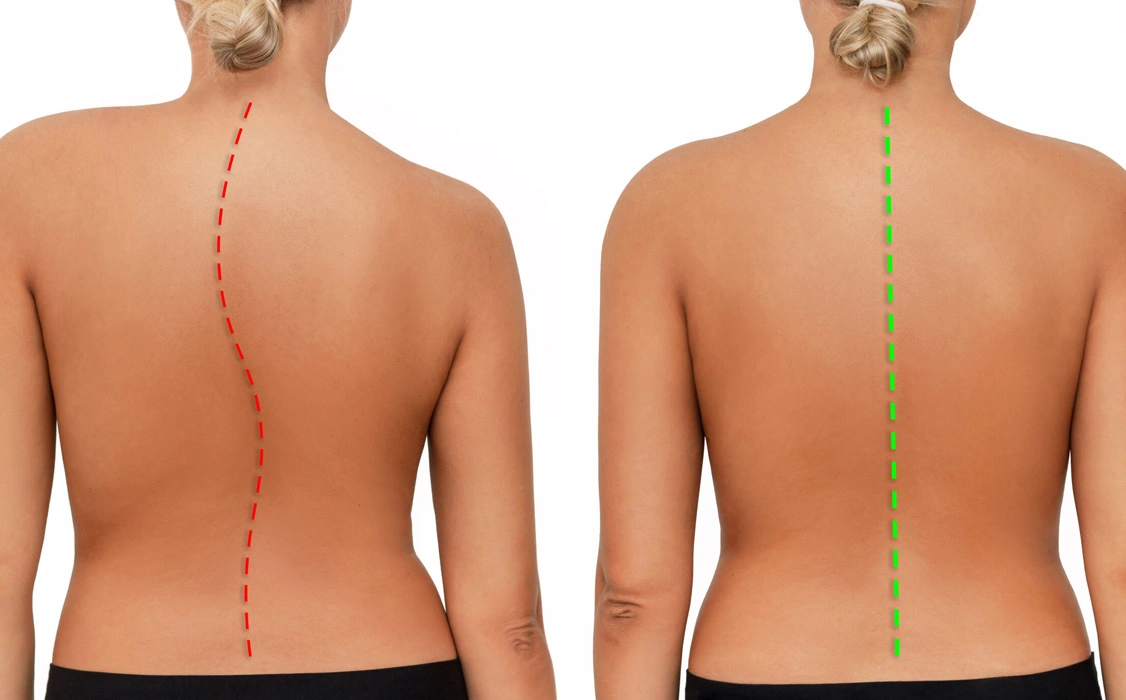
Scoliosis is an illness in which the spine develops an unusual sideways curve instead of keeping its normal alignment. There are some who notice changes in their posture, whereas others are able to spot the issue when they undergo a routine health examination. The extent of curvature could alter balance, appearance, and the overall comfort of spinal functioning. As children and adolescents grow, keeping track of the condition is crucial because the curvature can grow over time. Through timely evaluation and proper treatment, many patients can be able to manage their symptoms efficiently and continue an active and healthy lifestyle.
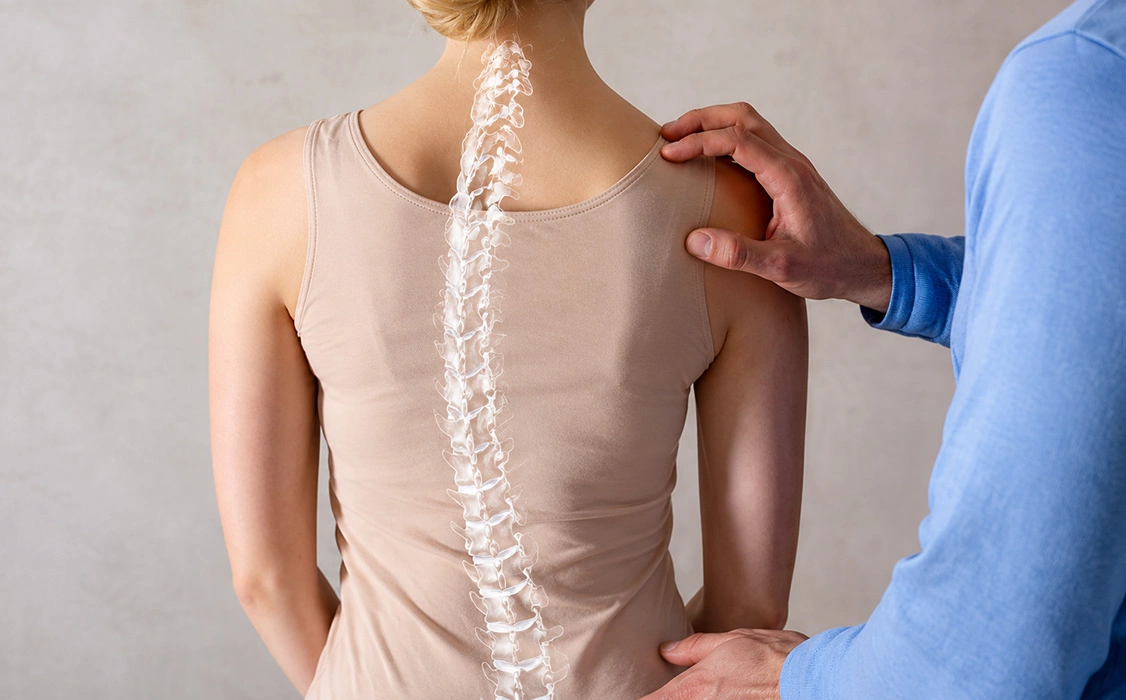
One shoulder could appear to be higher in comparison to the opposite shoulder.
The waist can appear asymmetrical from one angle.
A noticeable curve can be seen in the rear.
Certain patients have ongoing discomfort.
The body can appear to be tilted while standing.
One hip could be more than another.
Standing posture can gradually alter over time.
The visible changes in the spine can affect self-image.
The most frequent type is usually not accompanied by a clear cause.
A few children are born with spinal problems, which can cause scoliosis.
Certain disorders of the muscles and nerves can cause spinal misalignment.
Spinal wear due to age may cause scoliosis in older adults.
The family history of a person can increase the chance of developing scoliosis.
The effects of trauma to the spine can alter the alignment of the spine.
The early detection of scoliosis can be a major factor in the treatment of scoliosis, especially in adolescents and growing children. The ability to determine the severity of spinal curvature can determine if observation, non-surgical treatment, or further intervention is required.
Dr. Rohan Sinha performs a thorough evaluation of spine alignment and other physical signs during consultation. If it is suspected that scoliosis has occurred, imaging tests such as X-rays are recommended to assess the curve and assess its progression. This helps to develop an appropriate treatment plan based on the patient's age, symptoms, and condition.
The treatment of scoliosis is more than simply calculating the curve of the spine. The consequences of scoliosis are different from patient to patient, dependent on the patient's severity of symptoms, age, and lifestyle, as well as the curve's progress. Doctor. Rohan Sinha focuses on giving individualized care that focuses on protecting the health of your spine and maintaining a healthy quality of life. If the aim is to monitor an evolving curve, manage symptoms, or look at more advanced treatment options, every patient receives a customized treatment plan specifically tailored to their needs and long-term wellness.
Real feedback from patients and families who trusted our care.
Find answers to common questions about scoliosis, its symptoms, causes, diagnosis, treatment options, and when specialist care may be needed.
Scoliosis is a condition where the spine develops an abnormal sideways curve, which can affect posture, balance, and overall spinal alignment if left untreated.
Common symptoms include uneven shoulders, uneven hips, a visible spinal curve, posture changes, back pain, and leaning to one side while standing.
Yes. In some patients, particularly growing children and adolescents, the spinal curve may increase over time if not monitored appropriately.
Yes. Many cases can be managed through observation, physiotherapy, bracing, and other non-surgical approaches, depending on the severity of the condition.
Surgery may be considered when the spinal curve is severe, continues to progress, or begins affecting posture, function, or overall quality of life.
Schedule your consultation with Dr. Rohan Sinha and locate our clinic easily through the map below.