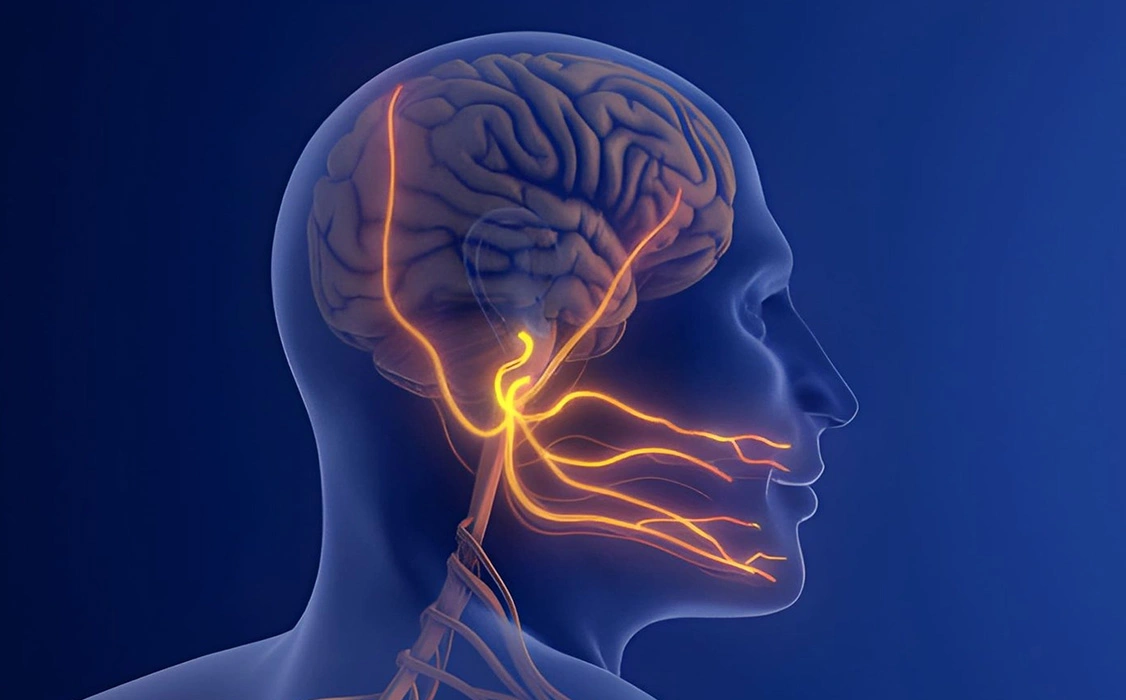
Trigeminal neuralgia is a nerve-related condition that causes sudden episodes of severe facial pain. The pain usually affects one side of the face and may feel like an electric shock, stabbing sensation, or sharp jolt. Some patients experience attacks several times a day, while others notice pain triggered by routine activities such as chewing, speaking, shaving, or brushing their teeth. Because the symptoms can become increasingly disruptive, timely treatment is important. The goal of treatment is to reduce pain episodes, improve comfort, and help patients maintain their normal daily routine.

The pain, which is intense and sharp, may be felt suddenly on the other cheek. The pain can last for a few seconds to minutes.
A lot of patients report experiencing pain like an electric shock, which occurs at any time during normal activities.
The act of chewing food, or even opening your mouth, could cause extreme facial pain and discomfort at meals.
For long periods of time, talking may cause painful facial pain on one side of the face.
Contacting certain areas of the face could result in intense pain attacks for vulnerable patients.
Insomnia attacks can occur frequently throughout the day and may affect the daily routine of life in a significant way.
If a blood vessel is close by, it may end up pressing on the trigeminal nerve and then bring on repeat facial pain episodes, again and again.
As we get older, the alterations in blood vessels along with nerves can increase the likelihood of developing trigeminal neuralgia.
When multiple sclerosis damages the nerve tissue, it can influence the trigeminal nerve pathway, which can lead to an ongoing discomfort type feeling.
A past facial injury, or some kind of nerve damage, may be the reason trigeminal neuralgia symptoms show up.
Certain growths near the trigeminal nerve area can add pressure, and that pressure can trigger facial pain.
After surgery, sometimes there is nerve irritation, and that may turn into lasting trigeminal nerve discomfort, even after everything looks healed.
Facial pain can pop up for lots of reasons, such as dental issues, sinus conditions, and even nerve-related disorders. Figuring out the true cause matters a lot because treatment usually depends on what’s actually going on. Often, the pattern of the pain, where it shows up, and what sets it off can give real clues during the checkup or evaluation.
Doctor. Rohan Sinha carefully goes through the symptoms of the patient as well as the cause of the discomfort, medical history, and the state of neurological function. If needed, the use of an MRI test or similar tests might be suggested to assess the trigeminal nerve to determine whether there's a reason for the symptoms. A thorough review will help you develop a strategy that is tailored to the patient's circumstance, not an overall approach.
Severe facial pain that is severe can hinder all aspects of life, from eating to talking to socializing and work. Dr. Rohan Sinha provides comprehensive diagnosis and treatment of trigeminal neuralgia. The focus is on determining the cause of nerve irritation and then recommending the best treatment method. Every patient receives personalized care according to the severity of symptoms as well as the pattern of pain and general health. The aim is to provide long-lasting relief and allow patients to get back to their normal routine.
Real feedback from patients and families who trusted our care.
Find answers to common questions about trigeminal neuralgia, its symptoms, causes, treatment options, and when specialist care may be needed.
Trigeminal neuralgia is a nerve disorder that causes sudden, severe facial pain, often triggered by everyday activities such as eating, speaking, or touching the face.
Common triggers include chewing, brushing teeth, speaking, shaving, washing the face, exposure to wind, and even light facial contact.
Yes. Many patients initially benefit from medications and other non-surgical treatments depending on the severity and cause of symptoms.
Surgery may be considered when pain remains severe, medications are no longer effective, or symptoms significantly affect daily life.
It can be a long-term condition, but appropriate treatment can help control symptoms and improve quality of life significantly.
Schedule your consultation with Dr. Rohan Sinha and locate our clinic easily through the map below.