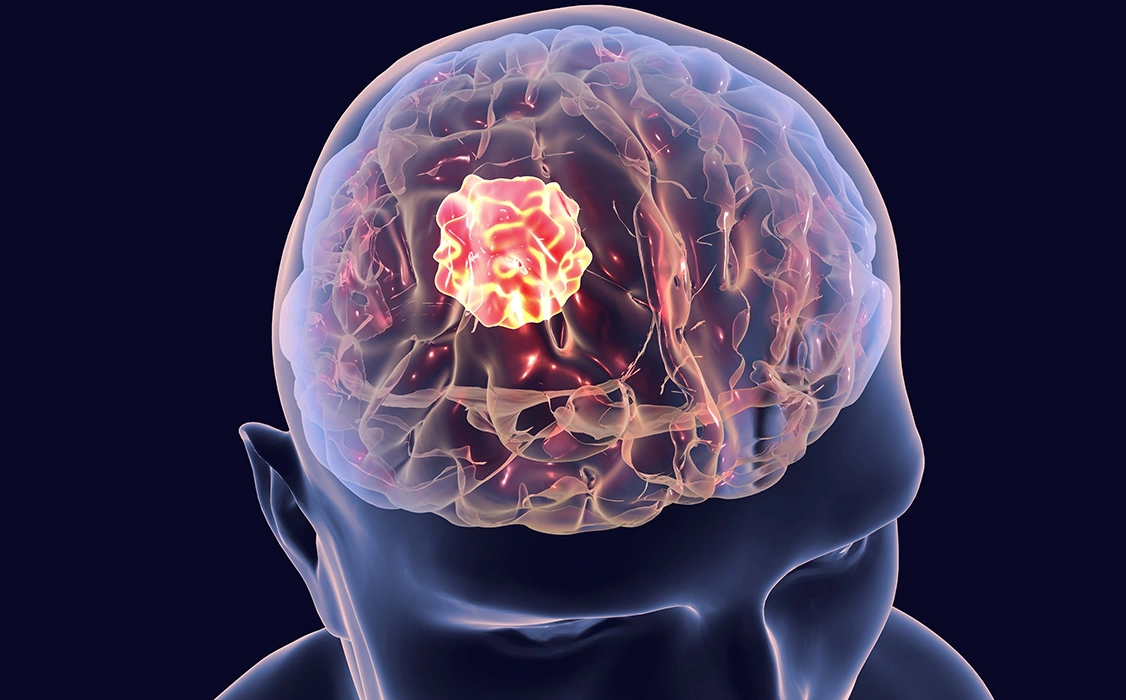
A brain tumor is an abnormal development of cells in the brain or in surrounding tissues. Certain tumors develop slowly and may show signs gradually; however, others require urgent medical care. The site of the tumor, patients may experience headaches or seizures, weakness, balance issues, and changes in speech and vision. Every brain tumor doesn't behave the same way. This is why a thorough evaluation is crucial before the treatment. Knowing the nature of the tumor, its size, and its location of the tumor will help determine the most effective treatment method.

Headaches can start showing up more often or feel more intense as time passes.
Some people end up with seizure events even though they had no previous history.
You might see blurred sight, double vision, or even a kind of vision loss.
Muscle weakness can mess with balance and movement, too.
Patients may notice shifts in thinking or in their memory, kind of slowly over time.
It can become hard to talk clearly or to understand what words mean.
Walking may turn awkward, and coordination can also get harder to manage.
Mood changes, behavior tweaks, or even altered judgment and decision-making might happen.
As people age, some brain tumors seem to show up more often.
If certain inherited conditions run in the family, risk can rise.
Having had radiation therapy before might make some tumors more likely to appear.
Some specific genetic conditions have been linked to brain tumors.
When the immune system is weakened, certain brain tumors may be easier to get.
Lots of brain tumors form without any clearly identifiable reason, so the cause is just unknown.
Before planning surgery, it’s important to understand the exact location, the size, and a few key characteristics of the tumor, like what it looks like on imaging. This kind of knowledge makes it easier to decide on the safest and most effective treatment route. It also, sort of indirectly, clarifies how the tumor could be influencing nearby brain structures.
Dr. Rohan Sinha goes through the patient’s symptoms, the neurological condition, and relevant medical history. MRI scans, CT scans, and a range of other investigations may be advised so there’s a more complete picture of the tumor before surgery. That step helps with the careful layout of the procedure and a more tailored plan for each person.
A diagnosis of brain tumors requires expert neurosurgical treatment and a meticulously planned treatment strategy. Dr. Rohan Sinha provides comprehensive assessment and surgical treatment for patients suffering from brain tumors, with a focus on the effectiveness of treatment as well as the safety of patients. Each patient is assessed individually to determine the best suitable surgical approach, dependent on the nature of the tumor, the location, and the size of the cancer. The approach of Dr. Ayala combines the latest neurosurgical skills along with individualized patient care to achieve the highest possible results.
Real feedback from patients and families who trusted our care.
Find answers to common questions about brain tumors, their symptoms, diagnosis, treatment options, and when brain tumor surgery may be needed.
A brain tumor is an abnormal growth of cells in the brain or surrounding tissues that may affect normal brain function.
Common symptoms include headaches, seizures, vision problems, weakness, balance difficulties, speech changes, and memory-related concerns.
No. Some brain tumors are benign, while others are malignant. Proper evaluation is necessary to determine the exact type.
Not always. Treatment depends on the tumor type, size, location, symptoms, and overall condition of the patient.
MRI scans, CT scans, neurological examinations, and other investigations may be required to plan treatment and surgery safely.
Schedule your consultation with Dr. Rohan Sinha and locate our clinic easily through the map below.