Lumbar spondylosis refers to age-related wear and tear affecting the lower part of the spine. While for some individuals this degeneration occurs slowly through time, it does not result in any symptoms at first. Nevertheless, once the condition progresses, it results in continuous low back pain, stiffness, decreased flexibility, and inability to accomplish simple tasks. Pain radiating from the hips and legs is sometimes felt by patients because of the irritation in the nerves. Even if lumbar spondylosis is associated with the natural aging process, its symptoms cannot be considered acceptable as part of aging itself.
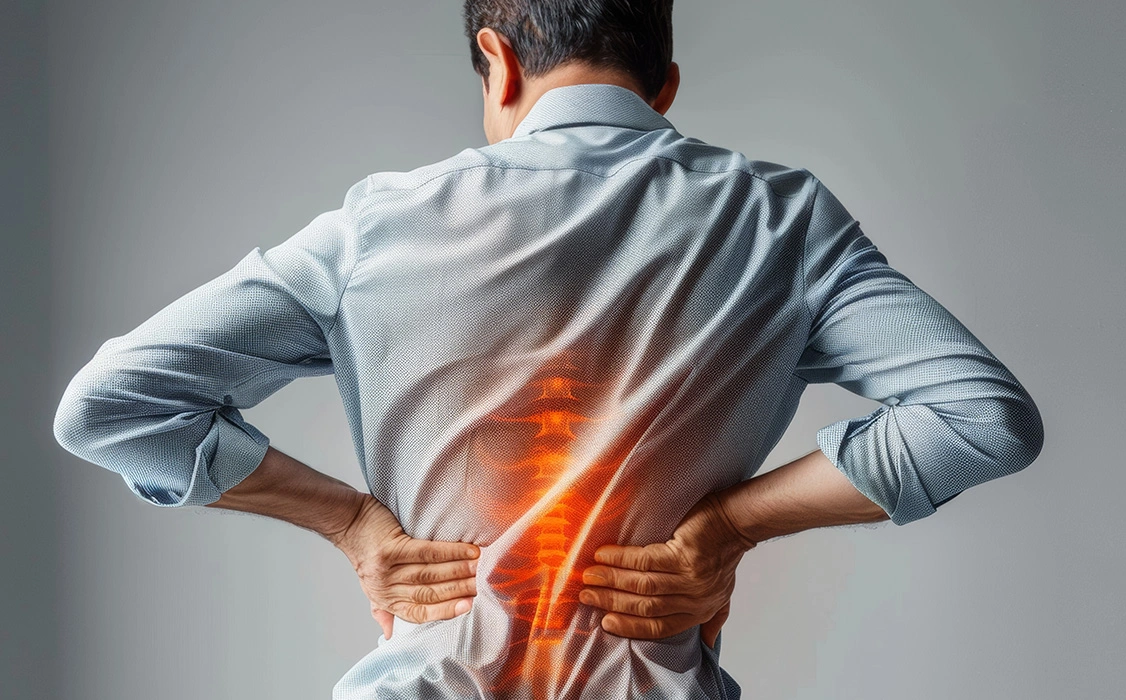
The pain can last for a few weeks, or it may return.
The lower back can feel stiff after waking.
The twisting and turning movements that you make can be difficult.
Walking or standing for extended periods of time can cause more discomfort.
The lower back muscles can be tense and tight.
A few patients may experience symptoms that extend beyond the legs.
The routine movements can be uncomfortable.
The overall flexibility and movement may be declining gradually.
The natural wear and tear process can alter the spinal structures.
The spinal discs slowly lose strength and flexibility.
A lack of posture for years can cause strain on the spine.
Repetitive strain can increase the rate of spinal degeneration.
Inability to move can lead to stiffness and weakening.
A higher weight load puts more pressure on the lower spine.
Previous injuries can be a cause of degenerative changes.
Family history can impact the chance of developing the condition.
Lumbar spondylosis patients do not experience the same symptoms. Some have stiffness and back pain as their major issues, whereas others might have problems with walking or radiating pain to the legs. Assessing the level of damage in the spine will be an important step before moving forward with the treatment options.
The first assessment done by Dr. Rohan Sinha will include checking the patient's symptoms, the degree of limitations when moving around, and the general condition of the spine. Further investigations, such as X-ray or MRI scans, may be needed for proper evaluation of degeneration and involvement of other parts of the spine.
The presence of lumbar spondylosis in the body can make even the most basic activities, such as walking or standing up, bending, or even getting through the day, more difficult. The doctor. Rohan Sinha focuses on helping patients to manage their symptoms effectively and addressing the root of the spine issues that cause their discomfort. His approach to treatment is tailored to the individual's health and lifestyle as well as goals for mobility to improve their performance and improve quality of living.
Real feedback from patients and families who trusted our care.
Find answers to common questions about lumbar spondylosis, its symptoms, causes, diagnosis, treatment options, and when specialist care may be needed.
Age-related changes in the spine are common, but persistent pain, stiffness, or reduced mobility should not be ignored and may require medical attention.
Yes. Many patients benefit from medication, physiotherapy, exercise programs, and lifestyle modifications without requiring surgery.
Yes. In some cases, spinal changes may irritate nearby nerves, leading to pain, numbness, or discomfort extending into the legs.
The condition can progress gradually. Early treatment and appropriate management may help reduce symptoms and maintain mobility.
If lower back pain, stiffness, or mobility problems are affecting your daily activities or quality of life, it is advisable to seek specialist evaluation.
Schedule your consultation with Dr. Rohan Sinha and locate our clinic easily through the map below.