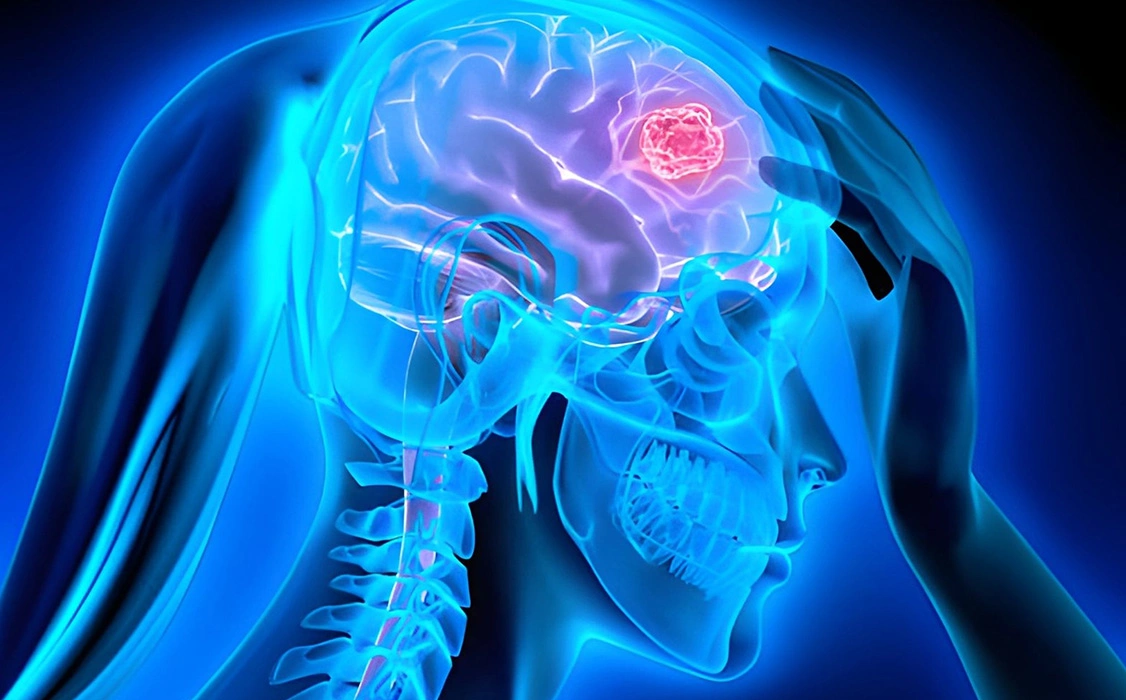
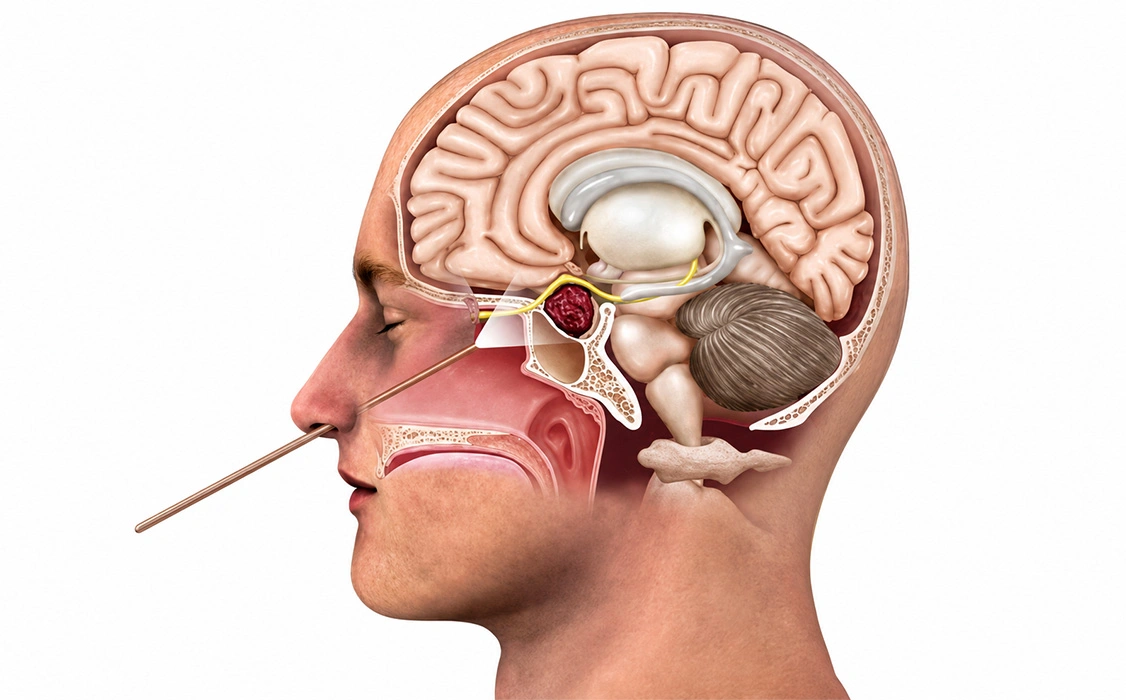
Skull base surgery is carried out for the removal or treatment of tumors and other medical conditions present at the bottom portion of the skull, which is near the brain, vital nerves, and major blood vessels. Due to the fact that this region is responsible for performing many important bodily functions, the procedure needs to be carefully planned and carried out. Surgery is carried out depending on the medical condition being treated through minimally invasive or conventional surgical techniques.
Persistent headaches even after use of medication, and which recur for no apparent reason.
Slow or fast hearing loss in one or both ears.
Blurring of vision, double vision, or loss of eyesight from pressure on the nerves surrounding the brain.
Lack of feeling or numbness on one side of the face.
Unstable walking, lightheadedness, or constant loss of balance.
Some skull base problems can affect the nerves that control swallowing.
Paralysis of the facial muscles caused by damage to the nerves.
Continuous noise or ringing in the ear.
Tumors close to the skull base can impact adjacent nerves and parts of the brain.
A nerve tumor that impacts hearing and balance, which may need surgery.
A tumor that develops close to the brain coverings, growing towards the skull base.
Certain pituitary tumors spread to adjacent skull base areas.
Some vascular problems can need skull base surgery.
Certain individuals can have skull base problems from birth that need special treatment.
The signs and symptoms that are caused by skull base abnormalities are usually found in other neurological conditions. It is imperative to find out the root cause before starting any treatment procedure. The evaluation helps the doctor to understand the nature and effect of the problem on the nerves and brain.
Dr. Rohan Sinha will examine the patient thoroughly through various ways like symptoms, medical history, and neurological examination. Other methods include MRI, CT scan, hearing test, visual test, and so forth.
Skull base surgery demands a lot of expertise as well as meticulous planning due to the sensitive nature of the anatomical structures present in that region. Dr. Rohan Sinha offers individualized treatment to his patients suffering from skull base tumors or other serious neurological disorders. Each patient undergoes an extensive evaluation before surgery in order to plan out a safe treatment plan.
Real feedback from patients and families who trusted our care.
Find answers to common questions about skull base surgery, the conditions it treats, diagnosis, treatment, and recovery.
Skull base surgery is performed to treat tumors and other conditions located at the bottom of the skull near important nerves and blood vessels.
Conditions such as acoustic neuroma, meningioma, pituitary tumors, vascular abnormalities, and other skull base disorders may require surgery.
Some skull base surgeries can be performed using minimally invasive techniques, depending on the condition and its location.
MRI scans, CT scans, neurological examinations, hearing tests, vision assessments, and other investigations help plan safe and effective treatment.
Recovery varies according to the condition treated and the type of surgery performed. Regular follow-up helps monitor healing and recovery progress.
Schedule your consultation with Dr. Rohan Sinha and locate our clinic easily through the map below.