Kyphosis is the term used for a disease that causes an increased curvature in the upper part of the spine, making the back look curved or hunched. Some individuals may not experience any change in their posture, whereas other people may need to go through treatment due to experiencing pain or stiffness. Kyphosis can happen at any age and can be minor or serious depending on the severity of the individual’s situation.
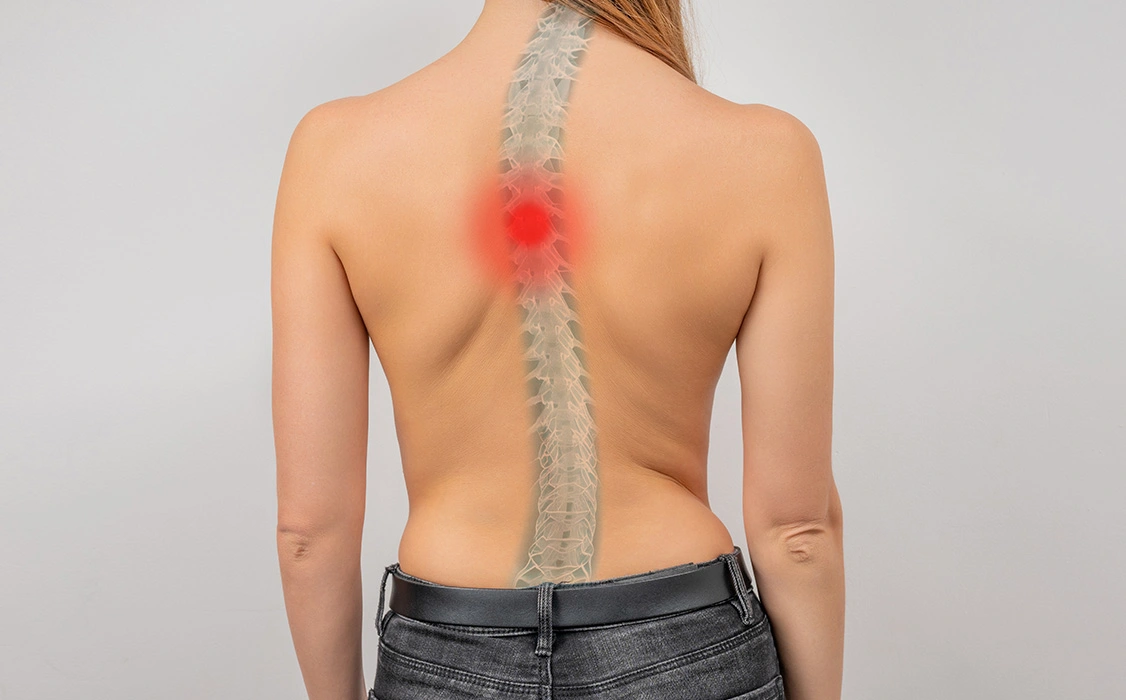
Your upper back might seem a bit more curved than usual.
Standing straight and still, in a comfortable way, can start to get difficult.
Some people notice ongoing ache or general discomfort.
The back muscles may get tired faster during everyday tasks.
Less flexibility can mess with normal movement, and it can feel a little locked up.
Your shoulders might feel strained, largely from those posture changes.
Having long-term poor posture can help bring about changes in the spine’s curvature, or so it can seem over time.
This developmental spine condition, is often noticed in the teenage years during adolescence.
Weak bones inside the back can collapse, and this may in turn raise the degree of spinal curvature.
As years pass, degenerative shifts can influence spinal alignment, little by little, even if it feels subtle.
Fractures or other injuries might disrupt the typical spinal shape.
Some people are born with spinal abnormalities, that lead to kyphosis from the start.
A noticeable shift in posture does not always tell you how severe kyphosis really is. You kind of have to understand the extent of the spinal bend, and also how that shape is influencing day-to-day living. This part is crucial when making treatment plans. Doing an early evaluation can help figure out whether monitoring is enough or whether non-surgical therapy and other steps might be needed.
During the consultation, Dr. Rohan Sinha looks at posture, spinal alignment, symptoms, and overall mobility. If it seems necessary, imaging tests such as X-rays or MRI scans could be suggested to evaluate the curve and also spot any hidden spinal issue that might be contributing to the problem.
The changes in posture and spinal alignment can impact more than just appearance. Patients often experience pain, decreased flexibility, as well as fatigue and trouble performing their normal daily routine. Dr. Rohan Sinha provides individualized treatment plans based on the extent of the curve and symptoms, as well as the age and lifestyle needs of every patient. His focus is on improving the posture of patients, relieving pain, and ensuring long-term spinal health. Each patient undergoes a thorough assessment to determine the most appropriate treatment method for their particular condition.
Real feedback from patients and families who trusted our care.
Find answers to common questions about kyphosis, its symptoms, causes, treatment options, and when specialist care may be needed.
Kyphosis is a condition where the upper spine develops an excessive forward curve, resulting in a rounded appearance of the back.
Common symptoms include a rounded back, poor posture, back pain, muscle fatigue, stiffness, and discomfort during daily activities.
Yes. Depending on the cause and severity, the spinal curve may gradually increase if left untreated.
Yes. Many patients benefit from observation, physiotherapy, posture correction, and other non-surgical treatment options.
Surgery may be recommended when the spinal curve is severe, progressing, or causing significant pain, functional limitations, or neurological symptoms.
Schedule your consultation with Dr. Rohan Sinha and locate our clinic easily through the map below.